Image

Angers is one of those French cities that quietly exceeds every expectation. Set along the Maine River in the Loire Valley, it’s a place where fortress walls rise above café terraces, where contemporary art lives inside ancient stone, and where life moves at a pace that feels both cultured and relaxed. Angers doesn’t shout for attention—it earns it.

A Fortress That Defines the Skyline

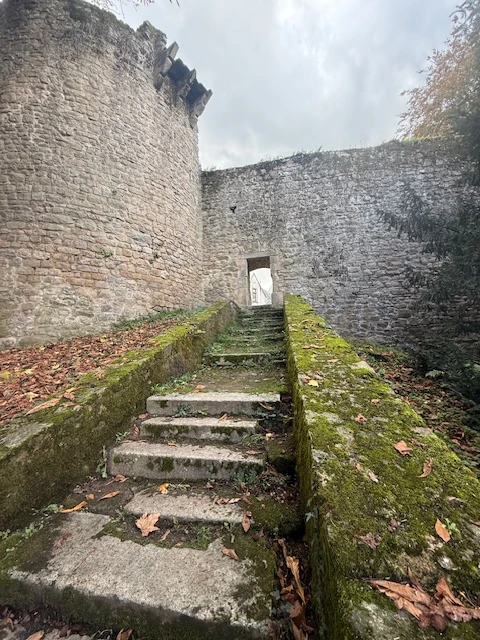
The first thing you notice is the château. Not a delicate fairy‑tale castle, it is a massive fortress that is both impressive and intimidating. Just driving past it's massive towering wall makes you feel very small.  But step inside and the mood shifts from imposing to awe‑inspiring.

The star of the château is the Apocalypse Tapestry, a 14th‑century masterpiece stretching more than 100 meters. Even if you’re not a tapestry person, this one changes your mind. The colors, the scale, the storytelling—it’s a medieval graphic novel woven in wool.

Streets Made for Wandering

Beyond the fortress, Angers opens into a maze of half‑timbered houses, elegant squares, and pedestrian streets lined with boutiques. The old town feels lived‑in rather than staged. Locals linger at terraces, students spill out of cafés, and the city’s rhythm feels effortlessly authentic. Angers is instantly comfortable, not pretentious in that other large cities can feel. Every corner feels like a secret waiting to be discovered.

The Place du Ralliement is the social heart—perfect for people‑watching with a coffee or a glass of Anjou wine.

A City That Loves Art

Angers has a creative streak that runs deeper than you expect. The Musée des Beaux‑Arts blends classical works with modern exhibitions, while the Galerie David d’Angers showcases dramatic sculptures inside a luminous glass‑roofed cloister.

Even the streets feel curated. Murals, installations, and contemporary design pop up in unexpected corners, giving the city a youthful, artistic pulse. The local college kids sit on steps and eat lunch, business people crowd into the cafes at lunch time for a relaxed meal, shops invite you to wander in, and there are museums and history standing hand-in-hand with in an easy way. 

Green Spaces That Feel Like a Breath

For a city with such a powerful medieval presence, Angers is surprisingly green. The Jardin des Plantes is a botanical haven, and the riverside paths invite long, lazy walks. Hop on a bike and you’re minutes from vineyards, orchards, and the gentle landscapes that make the Loire Valley so beloved.

A Taste of Anjou

Food in Angers is comforting, seasonal, and proudly local. Think rillauds (slow‑cooked pork), fouées (puffy wood‑fired bread pockets), and goat cheeses that pair beautifully with the region’s wines. The markets are a joy—especially Les Halles, where vendors greet regulars by name and the produce looks like it was arranged for a still‑life painting.

Why Angers Stays With You

Angers isn’t trying to be Paris, or even a typical Loire Valley stop. It’s a city with its own identity—historic but not frozen, artistic but not pretentious, lively but never overwhelming. It’s the kind of place where you arrive curious and leave genuinely charmed. In fact, Angers is our favorite city among those we visited, far above the fan favorite Paris. It's easy atmosphere is just too charming to overlook.

Image

1. Life in Dixie During the War — Mary Ann Harris Gay

A memoir by Covington‑born author Mary Ann Harris Gay. It offers a firsthand account of Southern civilian life during the Civil War and reflects the culture, landscape, and emotional climate of the region that includes Covington.

2. The Vampire Diaries (Book Series) — L.J. Smith

While the books are set in the fictional town of Fell’s Church, Virginia, the TV adaptation filmed in Covington and drew heavily on the town’s look and atmosphere. Many fans consider Covington the “real” Fell’s Church because of how closely the show’s Mystic Falls resembles the book’s setting.

3. The Originals (Tie‑In Novels)

Like The Vampire Diaries, the novels are not set in Covington, but the show’s filming there has retroactively tied the town to the series’ lore. Fans often read these books with Covington’s streets and square in mind.

4. In the Heat of the Night (Novel) — John Ball

The original novel is set in the fictional town of Wells, South Carolina, but the long‑running TV series filmed in Covington. Because of the show’s popularity, Covington is often associated with the book’s world.

5. Local Histories & Regional Books

These aren’t nationally famous titles, but they’re deeply tied to Covington’s identity and often sold in local shops and the Visitor Center:

  • Newton County historical collections
  • Civil War–era accounts
  • Books documenting Covington’s film history
  • Southern small‑town memoirs written by local authors

These works capture the spirit, architecture, and culture that define Covington.

6. Gone With the Wind (Inspiration Connection)

While not set in Covington, the historic Twelve Oaks home in Covington is said to have inspired the Twelve Oaks plantation in Margaret Mitchell’s novel. This makes the book part of Covington’s extended literary mythology.


Image Image

Covington, Georgia has a way of sneaking up on you. You arrive expecting a sleepy Southern square, maybe a few filming locations, and a good cup of coffee — and then suddenly you’re in the middle of a place that feels like it was written before it was built. The town has that rare, cinematic charm that makes you want to slow down, wander, and tuck yourself into a corner with a book.

For readers, writers, and anyone who loves the feeling of stepping into a story, Covington is a quiet treasure.

A Square That Feels Like a Novel Setting

The historic downtown square is the kind of place where you half‑expect a character to step out of a doorway and change your life. Brick storefronts, old‑fashioned lampposts, and a courthouse that looks like it belongs on a book cover — it’s all atmosphere.

It’s no wonder Covington has been the backdrop for The Vampire Diaries, In the Heat of the Night, Sweet Magnolias, and dozens of other productions. The whole town feels like a set, but in the best possible way: lived‑in, warm, and full of stories.

The Blue Morpho Curio Co.: A Book Nook with Personality

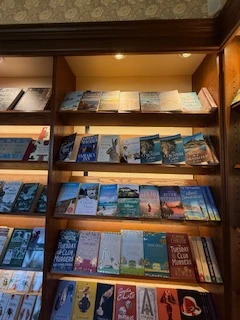
Tucked just off the square, The Blue Morpho Curio Co. is a delightful surprise. It’s not a traditional bookstore — it’s a blend of books, crystals, curiosities, and metaphysical treasures. The shelves feel like they were curated by someone who reads widely and loves deeply.

You might walk in looking for a paperback and walk out with a journal, a tarot deck, and a book you didn’t know you needed.

Bread & Butter Bakery: The Reader’s Refuge

Every book‑lover needs a café, and Bread & Butter Bakery is Covington’s answer. It’s the kind of place where time slows down. The pastries are excellent, the coffee is strong, and the tables are perfect for settling in with a chapter or two.

If you’re the type who likes to people‑watch while you read, you’ll be in heaven.

Beyond Covington: A Mini Bookstore Loop

Covington’s immediate bookstore scene is small, but the surrounding towns fill in the gaps beautifully.

The Book Cellar in Conyers is a gem — cozy, curated, and run by people who clearly love books. The Armory Bookstore in Monroe offers a peaceful, faith‑centered selection and a calm browsing experience.

Together, they make a perfect afternoon loop for anyone who enjoys discovering indie shops with personality.

Reading Spots That Feel Like Scenes

Covington rewards wandering. Chimney Park is a quiet, shaded place to read under the trees. Legion Field Trail is ideal for an audiobook walk. Even the courthouse steps make a surprisingly good reading perch if you like a little drama with your prose.

And if you’re a Vampire Diaries fan, reading on the square becomes a meta experience — fiction layered on top of reality.

Why Covington Works for Book Lovers

It’s simple: Covington feels like a story.

It’s a place where the line between real life and fiction blurs just enough to make your imagination spark. Whether you’re browsing for your next read, sipping coffee with a paperback, or exploring filming locations that feel oddly familiar, Covington invites you to slow down and savor the moment.

For a book‑lover, that’s all you really need.

Covington has earned its nickname “Hollywood of the South” for a reason — several major TV shows have filmed there, using the historic square, courthouse, and surrounding neighborhoods as recurring backdrops.

____________________________________________________

For a printable version of the guide, go here.


Image Image

Just a few miles inland from Newquay’s famous surf beaches sits one of Cornwall’s most surprising destinations — Atlantic Reach Resort, a place where modern holiday luxury quietly wraps itself around nearly a thousand years of history. Most visitors come for the pools, the spa, the family‑friendly activities, and the easy access to Cornwall’s coastline. But tucked among the lodges and leisure facilities is a story far older than the resort itself.

Atlantic Reach isn’t just a holiday park. It’s a place where a medieval manor, a Victorian farm, and a contemporary resort all coexist on the same patch of Cornish countryside.

Let’s take a walk through it.

Long before Atlantic Reach welcomed families and holidaymakers, the land was home to Carworgie Manor, a small rural estate recorded in the Domesday Book of 1086. The manor was never grand or aristocratic — instead, it was the kind of hardworking Cornish estate that quietly supported local life for centuries.

Today, the old manor house still stands at the heart of the resort. Its tall, narrow windows and thick stone walls often make visitors think it’s a chapel, but it’s actually the surviving core of the original manor. It’s one of the most atmospheric corners of the property, a reminder that this modern resort has roots stretching back nearly a millennium.

For more on the history of the manor, check out this posting for members.

🏊 Modern Comforts in a Countryside Setting

While the manor whispers of medieval life, the rest of Atlantic Reach offers a more modern experiene. The resort offers:

  • Indoor and outdoor swimming pools
  • A fully equipped fitness centre
  • A relaxing spa and wellness area
  • Holiday lodges ranging from cosy to luxurious
  • On‑site dining and seasonal entertainment
  • Spacious grounds perfect for wandering, playing, or unwinding

It’s the kind of place where you can spend a whole day without ever needing to leave — but if you do, Cornwall’s beaches, trails, and attractions are right on the doorstep.

🌿 A Landscape Shaped by Centuries

One of the most charming things about Atlantic Reach is how the land still reflects its past. The layout of paths and open spaces echoes the old farmyard that once surrounded Carworgie Manor. Low stone walls and subtle earthworks hint at where barns, byres, and cottages once stood.

Even the resort’s name — Atlantic Reach — captures the feeling of being close to the sea while still rooted in the countryside.

🕍 A Short Walk to a Unique Local Landmark

Just a few minutes away lies one of Cornwall’s most unusual historic sites: the Indian Queens Methodist Preaching Pit. This open‑air amphitheatre, carved from a former mining pit in 1850, was created on land granted by Henry Jenkyn Rowse of Carworgie Manor. It’s still open to the public today and remains a peaceful, atmospheric place to visit.

It’s a reminder that the manor — and now the resort — has long been part of the local community’s story.

🌟 Why Atlantic Reach Stands Out

Atlantic Reach isn’t just another holiday park. It’s a place where:

  • Families relax
  • Couples unwind
  • History lingers quietly in the background
  • Cornwall’s coast and countryside meet

Our Thoughts on Atlantic Reach:

Coming during the off-season places us at a disadvantage as a lot of the facilities were not open during our stay. The manor house, currently the Manor Arms restaurant, was closed, as were the arcade, The Hut (which is a small store for necessities), The Segways, mini-golf ... you get the idea. Even the main house with it's small selection of food was closed by 2 p.m. on a Saturday. 

The cottage itself (like a U.S. townhouse), was comfortable but in need of a lot of TLC. Some of the units don't have internet, and the unit we stayed had a leaking toilet (no waste, just clean water from the tank. Maintenance did attend to it promptly).  The first unit we almost checked into had clear water damage in the double-bedded room. From what we saw, maintenance is friendly and responsive but the solutions seems to be in the way of band-aids, which is too bad.

The mattresses were thin but not awful. 

The actitivities offered (mostly during the peak summer months) seem well-rounded. During our stay, the gym and pool were both open and both were clean and well-managed. 

Overall, though, the cottage was still clean if outdated. The resort has a lot of potential, and some investment would go a long way into making this resort truly shine. Given the history on the grounds (which was by far the most intersting part of Atlantic Reach), it's my hope that the company attends to the issues and Atlantic Reach continues to offer guests a centralized and fascinating place to stay for years to come. 

Our overall rating: 4.5/10 

Image Image

Newquay is known for surf, sunshine, and summer holidays — but after dark, the town has a very different personality. Beneath the neon lights and beach bars lies a coastline shaped by shipwrecks, storms, ancient lookouts, and centuries of whispered stories.

If you’re ready to explore Newquay’s eerie side, lace up your shoes and follow this haunted walking tour through some of the town’s most atmospheric spots.

🕯️ Stop 1: The Headland Hotel — Newquay’s Grand Haunting

Start at: The Headland Hotel, perched above Fistral Beach

Your tour begins at one of Newquay’s most iconic buildings — and one of its most haunted. The Headland Hotel has stood watch over Fistral since 1900, and guests have long reported:

  • A ghostly maid drifting through the corridors
  • Footsteps in empty rooms
  • A Victorian woman near the grand staircase

Even if you don’t see anything, the building’s red‑brick grandeur and Atlantic backdrop set the perfect tone for the night.

Walk: Follow the coastal path toward Towan Head.

👁️ Stop 2: Huer’s Hut — The Watcher on the Headland

Location: Towan Head

This whitewashed lookout dates back to the 14th century, when “huers” would call out to fishermen below. Today, it’s one of the most atmospheric spots in Newquay.

Visitors have reported:

  • A shadowy figure inside when the hut is locked
  • Voices carried on the wind
  • A “watcher” who appears at dusk

Stand here at sunset and you’ll understand why this place has inspired stories for centuries.

Walk: Head down toward Towan Beach and the harbour.

🌊 Stop 3: The Old Lifeboat House — Echoes of Stormy Nights

Location: Towan Beach

Now a café and event space, this building once housed Newquay’s lifeboat crew. Stormy nights brought danger, rescues, and sometimes tragedy.

Modern visitors claim to hear:

  • Heavy footsteps on the slipway
  • A man in oilskins standing by the doors
  • Voices during rough weather

It’s easy to imagine the ghosts of sailors lingering here, watching the waves they once braved.

Walk: Continue toward the harbour and climb up toward Trenance.

🏡 Stop 4: Trenance Cottages — Victorian Whispers

Location: Trenance Gardens

These beautifully restored 19th‑century cottages look charming by day — but after dark, they’re known for:

  • A woman in Victorian dress seen near the windows
  • Doors closing on their own
  • A child’s laughter when the site is empty

The gardens around the cottages are peaceful, but the shadows between the trees have a life of their own.

Walk: Follow the path toward the Gannel Estuary.

🌫️ Stop 5: The Gannel Estuary — Home of the Gannel Crake

Location: The Gannel, near the footbridge

The Gannel is one of Newquay’s oldest supernatural sites. For centuries, locals have spoken of the Gannel Crake, a strange, unearthly cry heard along the water at night.

Other legends include:

  • A ghostly horse and rider crossing the tidal sands
  • Lights drifting across the mudflats
  • A woman in white near the water’s edge

At low tide, the estuary feels vast and empty — the perfect setting for a haunting.

Walk: Loop back toward town or end your tour here for a dramatic finish.

🌙 Optional Final Stop: St Columb Minor Church

If you want one last chill, head slightly out of town to this ancient church, where:

  • Monk‑like figures
  • Phantom bells
  • Shadowy shapes in the churchyard

…have all been reported.

It’s a fitting end to a night of Newquay’s darker side.

A Perfect Blend of Coastline & Ghost Stories

Newquay’s haunted history isn’t about jump scares — it’s about atmosphere. Wind‑carved cliffs, centuries‑old buildings, and the restless Atlantic create the perfect backdrop for stories that linger long after the walk is over.

Whether you believe in ghosts or just love a good tale, this walking tour offers a new way to experience Newquay: not as a beach town, but as a place where the past still whispers through the salt air.

______________________________________________________

You can download a free, printable format of this tour here

If you enjoyed this and would more our content, please visit our other free posts or consider supporting this blog with a membership for additional, exclusive content.

Image Image
1
Join to access
Image Image
1
Join to access
Image Image

The Loire Valley is often introduced through its châteaux and vineyards, but the region’s real charm reveals itself when you step onto its footpaths. These trails wind through forests once hunted by kings, riverbanks where herons glide low over the water, and villages that seem to have paused somewhere in the 17th century.

If you’re looking for nature walks that feel restorative rather than rushed, the Loire delivers beautifully.

1. The Loire à Vélo Footpaths (Various Sections)

Though famous as a cycling route, many stretches of the Loire à Vélo are perfect for walkers. The river is wide and unhurried here, and the paths often run right along the water’s edge.

Why it’s special

  • Constant river views
  • Easy, flat terrain
  • Access to charming villages like Montsoreau and Candes‑Saint‑Martin

Best for: A gentle half‑day wander with cafés and wine tastings nearby.

2. The Forest Trails of Chambord

Chambord’s vast estate—larger than the city of Paris—is crisscrossed with walking paths that feel surprisingly wild.

What you’ll see

  • Deer and wild boar (especially at dawn or dusk)
  • Pine and oak forests
  • Glimpses of the château’s towers rising above the trees

Best for: A peaceful, almost fairy‑tale woodland walk.

3. The Gardens and Riverbanks of Chaumont‑sur‑Loire

Chaumont is known for its International Garden Festival, but the surrounding parkland and river paths are equally enchanting.

Highlights

  • Sculptural gardens blending art and nature
  • Panoramic views over the Loire
  • Shaded woodland paths perfect for hot afternoons

Best for: Walkers who love landscapes with a creative twist.

4. The Troglodyte Paths of Turquant and Souzay‑Champigny

This is one of the Loire’s most unusual nature walks: a route that winds past troglodyte dwellings carved into limestone cliffs.

Expect

  • Cool, shaded cliffside paths
  • Ancient cave homes and artisan workshops
  • Vineyards stretching toward the river

Best for: A walk that mixes nature with a touch of the surreal.

5. The Lakes and Wetlands of La Brenne Regional Park

A bit southeast of the main château corridor, La Brenne is a paradise for birdwatchers and anyone who loves quiet, watery landscapes.

Why it’s unforgettable

  • Over 3,000 lakes and ponds
  • Herons, egrets, turtles, and migratory birds
  • Boardwalks and soft forest trails

Best for: Nature lovers who want a serene, wildlife‑rich escape.

6. The Clifftop Walks of Sancerre

Sancerre isn’t just about wine—its hilltop setting gives you some of the most beautiful walking terrain in the region.

On the trail

  • Rolling vineyards
  • Sweeping views over the Loire River
  • Quiet country lanes lined with cherry trees

Best for: A scenic walk followed by a glass of crisp Sauvignon Blanc.

7. The Indre River Walk at Azay‑le‑Rideau

This gentle riverside loop takes you through meadows, willow groves, and quiet banks where the Château d’Azay‑le‑Rideau appears like a reflection in a dream.

Why it’s magical

  • Soft, shaded paths
  • Waterfowl and dragonflies
  • A postcard‑perfect château moment

Best for: A romantic, slow‑paced stroll.

Why These Walks Feel Different

The Loire Valley isn’t dramatic like the Alps or rugged like Brittany. Its beauty is softer—more about atmosphere than adrenaline. These walks give you:

  • Big skies and wide rivers
  • Forests that feel untouched
  • Villages that welcome you without fuss
  • A sense of stepping into a slower rhythm

It’s the kind of place where a simple walk becomes the highlight of your day.


Image Image
1
Join to access
Image

A Loire Valley Reading List

1. The Plantagenets — Dan Jones

A gripping, accessible history of the dynasty that shaped much of the Loire’s medieval world. Perfect for understanding the political drama behind the region’s fortresses and abbeys.

2. Eleanor of Aquitaine: A Life — Alison Weir

Eleanor’s story threads through the Loire Valley—Fontevraud Abbey, royal courts, shifting alliances. This biography gives emotional depth to the region’s medieval sites.

3. The Lady and the Unicorn — Tracy Chevalier

A novel about the creation of medieval tapestries. After reading it, the Loire’s textiles, interiors, and artistic details feel more intimate and meaningful.

4. The Lost Castle — Kristy Cambron

A modern historical novel set partly in a Loire château. Romance, mystery, and layered timelines make it a perfect companion for château‑hopping.

5. The Loire — Martin Garrett

A literary and cultural guide that blends history, travel, and art. It helps you see the valley as a continuous narrative rather than a collection of stops.

6. The French Château: Life, Style, Tradition — Christiane de Nicolay‑Mazery

A beautifully written look at château culture—architecture, interiors, gardens, and the families who shaped them. Ideal for travelers who love design and heritage.

7. Sleeping Beauty — Charles Perrault

Château d’Ussé is said to have inspired this tale. Reading it before visiting adds a layer of fairy‑tale magic to the turrets and forested setting.

8. The Hunchback of Notre‑Dame — Victor Hugo

Not set in the Loire, but it tunes your imagination to Gothic architecture and the emotional weight of stone—perfect for cathedral visits in Tours, Angers, and beyond.

9. Wine and War — Don & Petie Kladstrup

A fascinating look at French wine culture during WWII. It deepens your appreciation for Loire vineyards, especially around Saumur, Chinon, and Vouvray.

10. The Elegance of the Hedgehog — Muriel Barbery

A contemporary French novel that captures the quiet, philosophical side of French life. It pairs beautifully with slow mornings, gardens, and riverside towns.

11. Eastern Echoes — Melody Ash

A time travel / historical fiction novel set in the walls of a fictionalized Chateau D'Usse. It couples fantasy with the lifestyles of the people who managed the chateaus under the direction of the nobility.

Optional Add‑Ons for Specific Stops

For Angers

  • The Lady and the Unicorn (for tapestry appreciation)
  • The Plantagenets (for medieval context)

For Ussé

  • Sleeping Beauty
  • The Lost Castle
  • Eastern Echoes

For Saumur & Chinon

  • Wine and War
  • The Loire (for vineyard history)

For Tours & Amboise

  • Leonardo da Vinci: The Flights of the Mind — Charles Nicholl (Da Vinci spent his final years at Clos Lucé)

Why These Books Work

They don’t just teach you facts—they shift your perspective. With these stories in mind, the Loire Valley becomes:

  • a stage for medieval dynasties
  • a cradle of Renaissance creativity
  • a landscape of fairy tales and legends
  • a living wine culture
  • a place where art, architecture, and imagination intertwine
  • a dramatic backdrop for fantasy and drama